
led stand up mirror
Understanding Machinist Gauge Pin Sets A Comprehensive Guide In the world of precision engineering, accuracy is paramount. One of the tools that play a critical role in achieving this precision is the machinist gauge pin set. These sets include a series of hardened steel pins, each with a specific diameter, which are used for measuring, setting, and checking the dimensions of various components. This article delves into the significance, usage, and benefits of machinist gauge pin sets in machining and manufacturing processes. What Are Gauge Pins? Gauge pins are cylindrical pins made from high-quality materials, typically steel, designed to provide accurate measurements. They can be non-tapered or tapered and are often categorized as go and no-go pins. The go pin is used to check whether a hole meets the minimum size requirement, while the no-go pin checks that the hole does not exceed maximum size specifications. This dual checking mechanism helps ensure that parts conform to strict tolerances, which is essential in applications that require high accuracy. Importance of Accuracy in Machining Machining processes, including turning, milling, and grinding, often require parts to fit together with tight tolerances. Even slight deviations can lead to malfunctions or failure of mechanical systems. Therefore, machinists must have reliable tools at their disposal to verify the dimensions of both the workpieces and the fixtures they are using. Gauge pin sets serve this purpose beautifully, offering reliable and reproducible measurements that enhance manufacturing efficiency and product quality. Features of Machinist Gauge Pin Sets Most machinist gauge pin sets come in either a standard metric or imperial measurement system. They typically include a range of sizes, allowing for versatility in applications . High-quality gauge pins are usually made from tool steel, ensuring that they are robust and wear-resistant. Additionally, they are ground to precise tolerances and often have a corrosion-resistant coating to enhance durability. machinist gauge pin set Gauge pins are also easier to use than many other measuring instruments. They can be simply inserted into holes or slots to test them, and their tactile feedback provides instantaneous verification of sizes. This simplifies the inspection process and helps to increase productivity on the shop floor. Applications of Gauge Pin Sets Machinist gauge pin sets are widely used in various industries, including automotive, aerospace, electronics, and medical device manufacturing. They are applicable in processes such as 1. Hole Inspection Verifying hole sizes in machined parts to ensure they fit assembly requirements. 2. Fit Testing Ensuring that components fit together as intended, especially in critical applications like engine assembly. 3. Quality Control Regular inspection of tools and fixtures to maintain system integrity and compliance with standards. Benefits of Using Gauge Pin Sets The use of machinist gauge pin sets offers several advantages. Firstly, they facilitate rapid inspection, reducing downtime and extending productivity. Secondly, they contribute to quality assurance, ensuring that parts meet the required specifications before they reach the customer. Lastly, the consistent use of gauge pins fosters a culture of precision in manufacturing settings, helping teams adhere to best practices. Conclusion In conclusion, machinist gauge pin sets are indispensable tools in modern manufacturing and machining processes. Their ability to provide accurate measurements and facilitate quality control makes them essential for achieving high standards in production. As industries continue to evolve, the reliance on precision measurement tools like gauge pin sets will only grow, ensuring safety, efficiency, and functionality in the components we use daily. Investing in a high-quality machinist gauge pin set is a step towards upholding engineering excellence and achieving superior results in any machining endeavor.
about
led stand up mirror
Understanding Trapezoidal Thread Screws Design, Applications, and Advantages In the realm of mechanical engineering and precision manufacturing, the trapezoidal thread screw is a pivotal component that plays a critical role in various applications. Known for its unique trapezoidal profile, this type of screw offers a range of advantages that make it suitable for tasks requiring linear motion and power transmission. As we delve into the intricacies of trapezoidal thread screws, we will explore their design features, applications, and the benefits they provide in modern engineering. Design Features of Trapezoidal Thread Screws Trapezoidal thread screws are characterized by their distinct thread profile, which resembles a trapezoid – hence the name. This design feature is not merely aesthetic; it serves several functional purposes. The threads are wider and flatter than those of traditional triangular threads, which allows for a larger surface area that enhances load-bearing capacity. Typically, the threads are designed with a pitch that can vary according to specific requirements, making trapezoidal thread screws highly customizable. The two primary dimensions to consider in the screw design are the diameter and the lead, where the lead refers to the distance the screw advances in one complete rotation. This unique geometry ensures that forces are distributed more evenly across the surface, minimizing the risk of wear and tear over time. Moreover, trapezoidal thread screws are often employed in conjunction with corresponding nuts that feature a matching trapezoidal profile. This combination allows for smooth and precise motion when the screw is rotated, making it ideal for applications that require controlled movement. Applications of Trapezoidal Thread Screws The versatility of trapezoidal thread screws makes them suitable for a broad range of applications. One of the most common uses is in machinery where linear movement is essential. Examples include CNC machines, lathes, and milling machines, where precision and reliability are paramount. trapezoidal thread screw Furthermore, trapezoidal screws are frequently found in lifting equipment, such as jacks and hoists. Their robust design allows them to handle significant loads, making them a preferred choice in construction and heavy machinery industries. They also play a vital role in automation technology, such as linear actuators, providing a reliable mechanism for converting rotary motion into linear displacement. In the realm of automotive applications, trapezoidal thread screws are employed in steering mechanisms, where they ensure smooth and controlled adjustments. Additionally, the aerospace industry benefits from their use in actuators for control surfaces, showcasing their ability to perform reliably in demanding environments. Advantages of Trapezoidal Thread Screws The benefits of using trapezoidal thread screws extend beyond their structural integrity. One significant advantage is their efficiency in converting rotational motion into linear motion. Due to the design of the threads, these screws exhibit lower friction compared to other thread types, which results in smoother operation and reduced wear. This efficiency translates into energy savings, making them a cost-effective solution for various engineering challenges. Another key advantage is their ability to handle large axial loads. The wider, flatter contact surface of the trapezoidal threads allows them to sustain greater forces without deforming, which is essential in high-load applications. This durability is complemented by the overall longevity of the screws, leading to extended maintenance intervals and reduced downtime, factors that are critical in production environments. Additionally, trapezoidal thread screws can be manufactured in materials that resist corrosion, wear, and other forms of degradation, further enhancing their lifespan. This attribute is particularly important in industries such as food processing or pharmaceuticals, where hygiene and durability are paramount. Conclusion In summary, trapezoidal thread screws are a fundamental component in the engineering landscape, characterized by their unique design and versatile applications. Their ability to efficiently convert rotary motion to linear motion, coupled with their high load-bearing capacity and durability, makes them an optimal choice for various mechanical systems. As industries continue to evolve, the importance of reliable and efficient components like trapezoidal thread screws will only grow, enabling innovations across multiple sectors. Understanding their features and benefits equips engineers and manufacturers with the knowledge needed to select the right components for their specific applications, driving progress in technology and manufacturing processes.
-

High quality industrial productsagement

High quality industrial products
View Details -

Meet the diverse needs of customers

Meet the diverse needs of customers
View Details -

Strict quality control

Strict quality control
View Details -

Top raw materials

Top raw materials
View Details -

Trusted supplier

Trusted supplier
View Details
Our application


news and information
valve factory
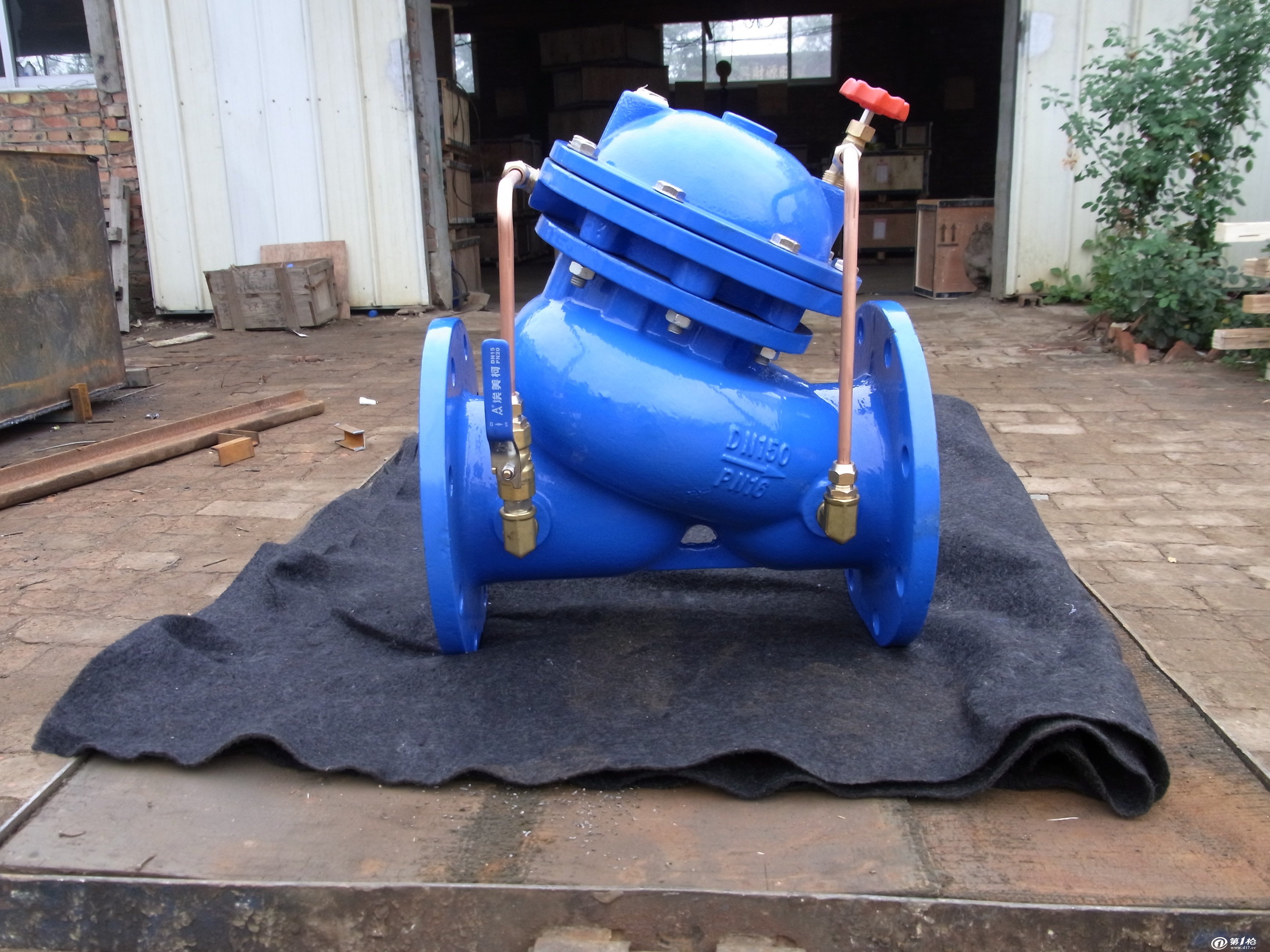
Located at the very heart of industrial innovation, valve factories have become pivotal in shaping t

Welding Workbench vs. Standard Workbench_ Key Differences
When it comes to workshop equipment, the choice between a welding workbench and a standard workbench

zes procent vlinderklep met actuator voor optimale prestaties en efficiëntie
De 6% Vlinderklep met Actuator Efficiëntie en Betrouwbaarheid in Regeltechniek In de wereld van rege
 English